Premeditatio Malorum · Preparing for Hardship Without Fear
We spend a lot of energy trying not to think about what could go wrong. Losing a job, getting sick, watching plans collapse. We push those thoughts aside as if ignoring them will keep them away. And yet, they always return, often at the worst possible time.
The Stoics had a different approach. Instead of hiding from misfortune, they faced it head on, not when it arrived but long before. They practiced imagining the very hardships most of us spend our lives trying to avoid. Poverty. Betrayal. Exile. Death. They called it Premeditatio Malorum (pronounced preh-meh-dee-TAH-tee-oh mah-LOH-rum) which means the premeditation of evils.
It sounds dark, almost masochistic. But for the Romans it was a form of strength training for the mind. By rehearsing loss, they learned to stop fearing it. By picturing hardship, they built resilience. The goal was not to live in dread but to live without surprise.
What Is Premeditatio Malorum?
To the Stoics, Premeditatio Malorum meant preparing the mind for hardship before it arrived. Not brooding, not wallowing, but rehearsing life’s blows so they would not come as a shock.
Seneca urged his friends to picture poverty, exile, or even death long before they faced them. Marcus Aurelius began his mornings by reminding himself he would meet selfish, arrogant, and ungrateful people. Epictetus taught his students to practice with small things such as a broken cup, a sick child, or the loss of property so greater losses would not crush them when they came.
The purpose wasn’t to live in dread. It was to rob fear of its power. A hardship imagined in advance is lighter than one that ambushes you. By rehearsing misfortune, the Stoics weren’t giving in to despair. They were building resilience.
The Roman Approach to Fear
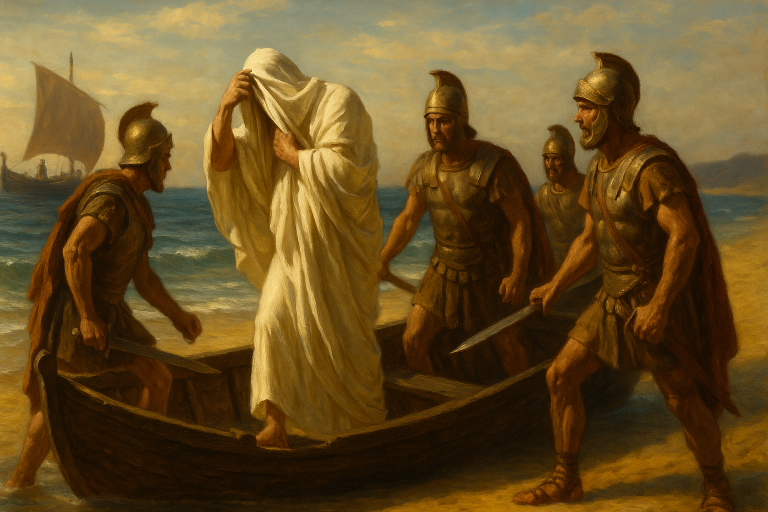
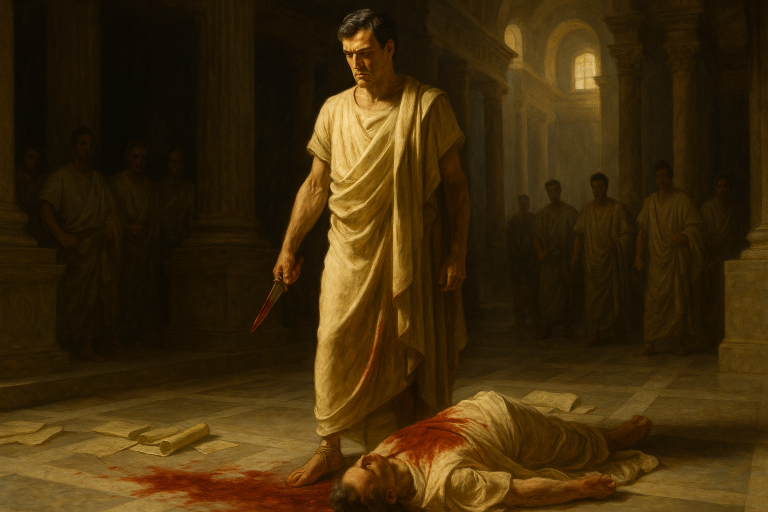
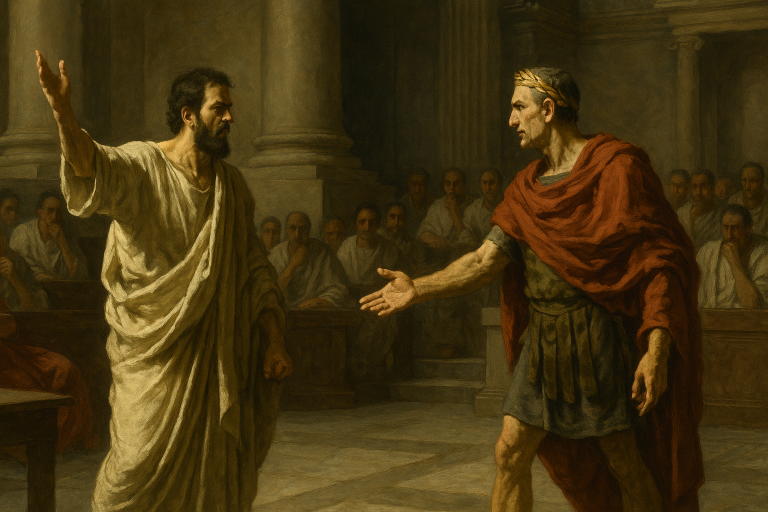
For the Romans, fear was not an abstract problem. It was daily reality. Civil wars toppled governments. Plague swept through cities. Friends became enemies overnight. An emperor might be poisoned at dinner or cut down in the Senate. Instability was the air they breathed.
In that kind of world, philosophy had to be more than speculation. Theories about cosmic fire or infinite time offered little comfort when soldiers were at the gate or bread was scarce in the market. What mattered was a way to steady the soul.
That is where Premeditatio Malorum fit. By imagining disaster in advance, Romans blunted the edge of fear. A sudden reversal such as loss of wealth, exile, or betrayal still hurt, but it did not break them. When you accept that misfortune is always possible, you stop being surprised by it. What is left is the space to act with dignity instead of panic.
Seneca put it simply. “He robs present ills of their power who has perceived their coming beforehand.” The practice was not pessimism but protection, a shield built in the mind long before the blow fell.
Why This Isn’t Pessimism
At first glance, rehearsing misfortune sounds like a recipe for anxiety. Why borrow tomorrow’s troubles? Why dwell on worst-case scenarios that might never happen?
The Stoics would answer that fear grows in the shadows. When you refuse to look at possible hardship, it lurks in the background, always larger and more frightening than it really is. By bringing it into the light, by naming it, picturing it, and preparing for it, you shrink it down to size.
Seneca warned against living in dread of what might come. To him, most suffering comes not from events themselves but from the terror we build around them. Premeditatio Malorum was his antidote, a way to look at poverty, exile, illness, or even death and say, “I have thought of you already, and I am not undone.”
This was not pessimism but strength training. Imagining a setback did not mean giving up on joy. In fact, the opposite was true. Once you have pictured loss, you are freer to savor what you still have. Gratitude and resilience grow in the same soil when fear no longer runs the show.
Applying the Four Virtues
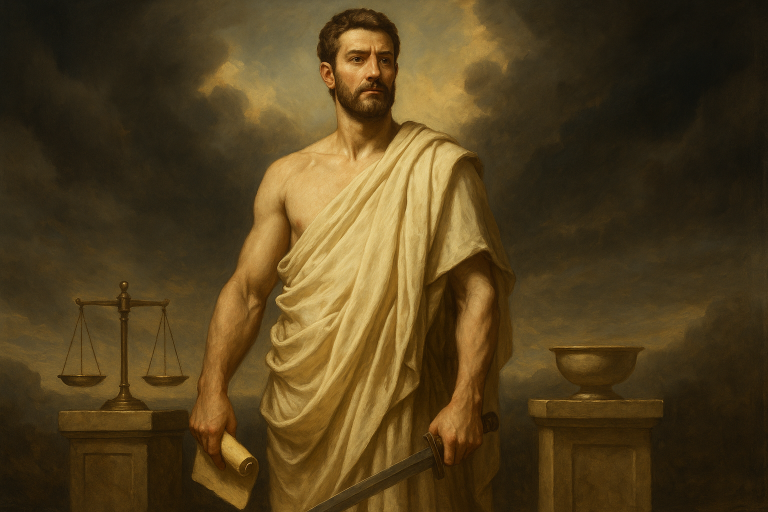
The Romans measured philosophy not by clever arguments but by how it shaped daily choices. Premeditatio Malorum was one way to practice the four Stoic virtues in advance so that when hardship arrived, the habits were already formed.
Wisdom meant seeing clearly what belonged to you and what did not. A job lost, a fortune seized, or a friend betrayed are all events outside your command. What remains within your control is your response. Imagining these losses beforehand sharpens that clarity.
Justice asked how you would meet your obligations under strain. If money runs short, will you still act fairly? If exile comes, will you keep your word to those who rely on you? Premeditation prepares you to meet hardship without abandoning duty.
Courage was not reckless daring but steady resolve. By picturing dangers such as poverty, illness, or death, you disarm fear before it dictates your choices. When the moment comes, you act with firmness rather than panic.
Temperance demanded restraint. In imagining loss, you train not to grab at pleasures as if they were guaranteed, nor to collapse when they are taken away. By practicing moderation in thought, you build moderation in life.
Together, these virtues transform the rehearsal of misfortune from a grim exercise into a moral workout. The point is not to suffer twice but to live prepared, so when trouble comes, you meet it already trained in what matters most.
Premeditatio Malorum may sound like something best left to ancient philosophers, but its use is as relevant now as it was in Rome. The practice is simple. Imagine hardships before they arrive so that when they do, you are not crushed by surprise.
In personal finance, this might mean picturing job loss or a sharp cut in income, and then planning how you would endure. A budget or side income built on that rehearsal cushions the blow if it happens.
In relationships, it can mean rehearsing grief. Not obsessing over it, but quietly acknowledging that loved ones are mortal. Far from making life colder, this makes the time you have together warmer. Every ordinary day becomes a gift.
In health, it means facing the reality of illness, injury, or aging. Instead of being shocked by frailty, you expect it and adapt. A body that weakens does not have to weaken the soul.
On the level of society, it can mean anticipating political upheaval, market crashes, or sudden reversals of fortune. Instead of being paralyzed, you are prepared. You can act with steadiness while others lose their heads.
The Romans treated Premeditatio Malorum as mental armor. We can use it the same way. Not to make life darker, but to move through it with less fear and more clarity.
Turning Philosophy Into Practice
The Romans didn’t just think about Stoicism. They practiced it like a craft. Premeditatio Malorum is no different. It becomes useful only when you turn it into a habit.
Start small. Each morning, jot down one or two possible setbacks. Maybe your car won’t start. Maybe you’ll face an unexpected bill. Maybe a friend will disappoint you. Imagine how you’ll respond with patience instead of frustration.
Use Epictetus’s dichotomy of control. Divide what you pictured into two lists: what you can influence and what you cannot. Make a plan for the first, release your grip on the second.
Pair the exercise with gratitude. After you picture loss, notice what you still have. This keeps the practice from sliding into gloom. Seneca reminded his students that imagining poverty makes you value even the smallest comforts.
Finally, keep a journal. Marcus Aurelius didn’t write Meditations for an audience; he wrote them for himself. A few lines each night about what could go wrong tomorrow, and how you’ll respond, slowly trains the mind.
Meeting Hardship on Your Terms
Hardship is not optional. The only choice is whether it arrives as a stranger or as something you’ve already met in thought. Premeditatio Malorum gives us the second option.
For the Romans, imagining misfortune was never about despair. It was about stripping fear of surprise so that wisdom, justice, courage, and temperance could take its place. It was about refusing to let life’s reversals dictate the state of the soul.
We live in no less chaotic a world. Jobs vanish, savings shrink, health falters, politics erupts. The Stoics would tell us not to be shocked. Expect it, prepare for it, and then live with steadiness when it comes.
As Marcus wrote to himself, “You have power over your mind — not outside events. Realize this, and you will find strength.” The Romans practiced Premeditatio Malorum to build that strength. The challenge is whether we will do the same.